
What is Hemoglobin A1c and Why Does It Matter If It's High?
Understanding Hemoglobin A1c
Even if you’re not living with diabetes, understanding certain aspects of your health can still be beneficial. Hemoglobin A1c (HbA1c) is one such topic that holds relevance for diabetics and non-diabetics alike. In this article, I will break down what HbA1c is, why it matters, and how it can provide valuable insights into your overall well-being.
Getting to Know Hemoglobin A1c (or A1c for short)
Hemoglobin is a special type of protein found in your red blood cells that attaches to glucose and carries it all over the body for use as energy. The lifespan of a red blood cell is about 3 months.
So, by measuring glucose levels in light of hemoglobin levels, we get a good idea of what your average blood sugar level has been over the past 3 months.
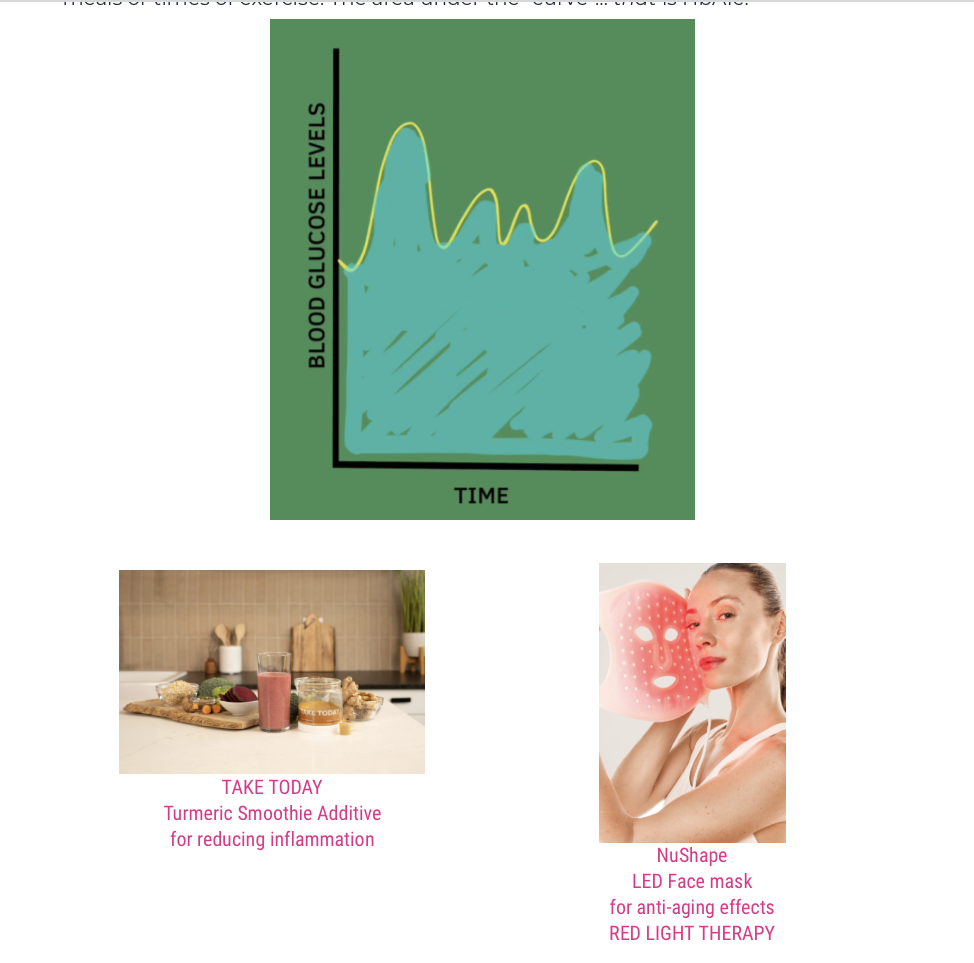
Let’s look at this chart
The highs are after meals, the lows are times in between meals or times of exercise.
The area under the “curve”… that is HbA1c.
Understanding the Measurement
Measuring HbA1c levels involves a simple blood test that is ordered by your healthcare provider. The result is presented as a percentage, indicating the percentage of your total hemoglobin that has glucose attached to it. Although you might not need to monitor your blood sugar daily like individuals with diabetes do, getting an occasional HbA1c test can offer a good, broad view of your overall metabolic health.
Why HbA1c Matters for Everyone
HbA1c isn’t just for diabetes management; it has broader implications for your overall health:
Insight into Blood Sugar Trends: Even without diabetes, your blood sugar levels can fluctuate. HbA1c provides a snapshot of your average levels, alerting you to any potential trends that may need attention.
Health Awareness: Monitoring your HbA1c can help you catch any early signs of prediabetes or other health conditions, prompting proactive lifestyle changes.
Heart Health: Elevated HbA1c levels might indicate an increased risk of heart disease, making it an important marker for cardiovascular health.
Lifestyle Impact: HbA1c levels can reflect the impact of your diet and exercise habits. It’s a reminder that what you eat and how active you are play a role in your long-term well-being.
What the Numbers Mean
When you receive your HbA1c result, here’s how to interpret it:
Normal: Below 5.7% (Optimal: Below 5.5%)
Prediabetes: 5.7% to 6.4%
this should prompt you to make some positive lifestyle changes.Diabetes: Above 6.4%
this should prompt you to consult your healthcare provider to discuss further action and for personalized treatment.
Taking Charge of Your Health
There are some steps you can take to change your lifestyle to keep your A1c in check:
Balanced Diet: Choose whole foods, limit added sugars, and opt for lean proteins, fruits, and vegetables.
Stay Active: Engage in regular physical activity to support your overall health.
Regular Check-ins: Consider getting an HbA1c test every few years, even if you’re not at high risk for diabetes.
Manage Stress: Stress can impact your health, including blood sugar levels. Prioritize stress-reduction techniques.
Conclusion
Hemoglobin A1c might seem like a topic reserved for diabetes discussions, but it holds insights for everyone. Monitoring your HbA1c levels can help you maintain a proactive approach to your overall health, providing a window into your blood sugar trends and their impact. By making small, mindful choices, you can continue to prioritize your well-being and lead a healthier life.

For more ways to revamp your lifestyle to lower your A1c so that you can live longer, fuller, healthier… check out The Hormonal Pharmacist.
I'm waiting to help you!
Get started with a free consultation call today!
