What Is Happening to My Hair?
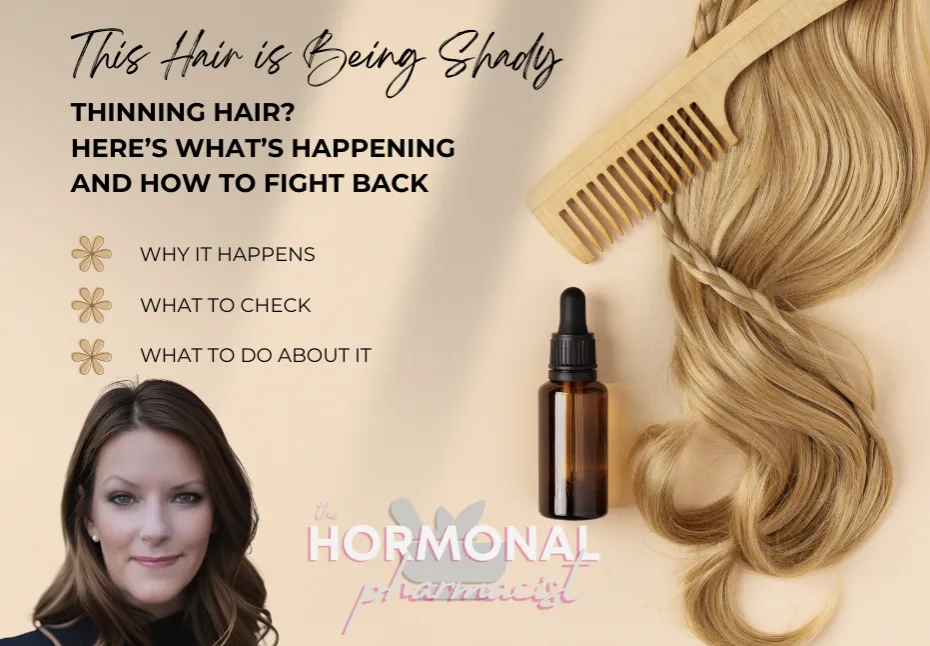
Let’s talk about something many of us deal with but don’t always know how to handle: hair thinning. Whether you’ve noticed a few more strands in the shower drain or your once-thick ponytail feels a bit skinnier, you’re not alone.
Hair thinning is incredibly common as we age, especially during perimenopause and menopause, but the good news?
There’s plenty we can do about it.
Why Does Hair Thinning Happen as We Age?
Hair thinning isn’t just about aging—it’s about what’s happening inside your body:
✔ Hormonal Shifts: During perimenopause and menopause, estrogen and progesterone levels decline while androgens (like testosterone) can increase. This can lead to hair thinning and a slower growth cycle.
✔ Nutritional Deficiencies: Low levels of iron, zinc, biotin, or vitamin D can affect hair health.
✔ Thyroid Issues: An underactive or overactive thyroid gland can disrupt your hair cycle.
✔ Stress: Chronic stress raises cortisol levels, which can lead to hair shedding (hello, stressful holidays!).
✔ Aging Scalp: As we age, our scalp produces less sebum, leading to dryness and brittleness.

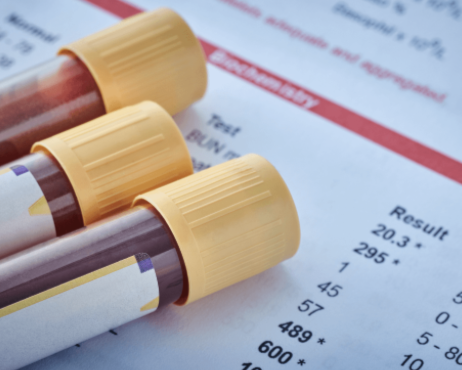
What to Check in Bloodwork
If you’re noticing thinning hair, here are key tests to discuss with your doctor:
✔ Thyroid Panel (TSH, T3, T4): To rule out thyroid dysfunction.
✔ Iron and Ferritin Levels: Low ferritin (iron storage) can be a big factor in hair loss.
✔ Vitamin D: This powerhouse nutrient supports follicle health.
✔ Hormone Levels: Check estrogen, progesterone, testosterone, and DHEA to evaluate hormonal imbalances.
✔ Zinc and Biotin: Critical for hair growth and strength.
How to Treat Thinning Hair
Depending on what’s causing your hair loss, there are several ways to address it:
Nutrition
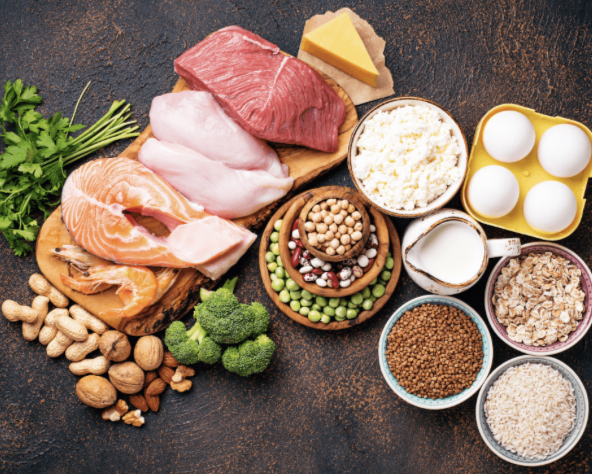
What you eat plays a massive role in your hair health. Add these foods to your plate:
• Protein: Hair is made of keratin, a protein. Include eggs, fish, and lean meats.
• Omega-3s: Found in salmon, walnuts, and flaxseeds, these reduce inflammation and nourish hair follicles.
• Iron-Rich Foods: Think spinach, lentils, and red meat.
• Zinc and Biotin: Found in nuts, seeds, and whole grains.
Supplements
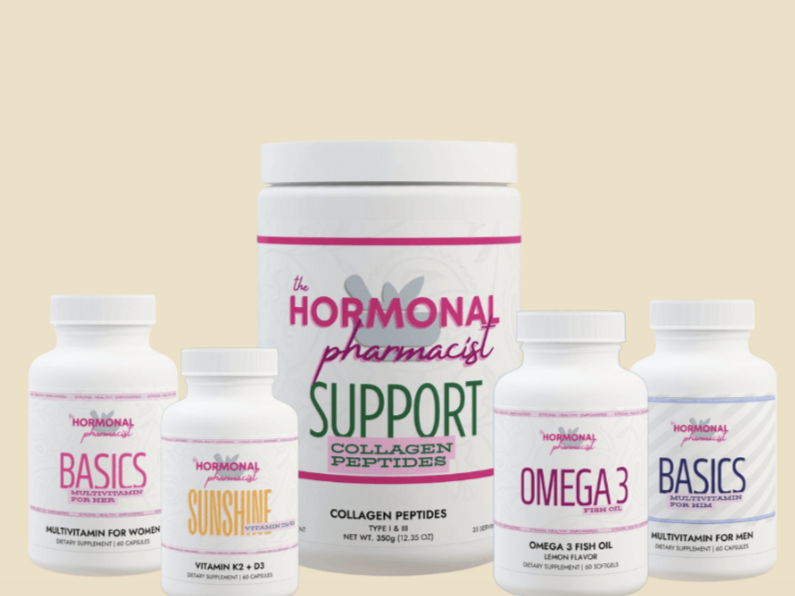
• Collagen Peptides: Strengthen hair and promote elasticity.
• BASICS Multivitamin: A great way to ensure you’re getting essential nutrients.
• Vitamin D: Many women are deficient, especially in the winter months.
• Omega-3 Fish Oil: Supports scalp health and reduces inflammation.
Medications
• Hormone Replacement Therapy (HRT): Can help balance hormone levels and reduce hair thinning for women in menopause.
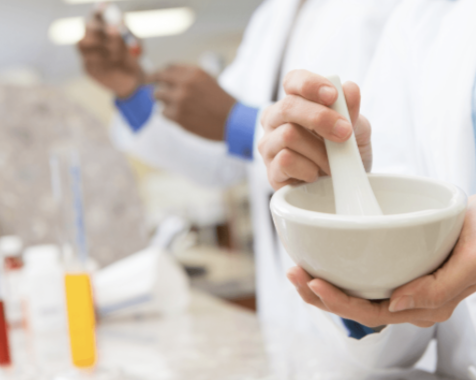
• Compounded Prescription Options: Topical formulations of spironolactone, metformin, minoxidil plus others work directly in the hair follicle.
There are also prescription options to take orally like spironolactone, which blocks androgen effects on hair follicles.
• Minoxidil (the active ingredient in Rogaine): FDA-approved for female pattern hair loss. It works by stimulating hair follicles and improving blood flow to the scalp.
Practical Tips for Everyday Hair Care
Treating thinning hair isn’t just about what you put inside your body—it’s also about how you care for it on the outside.
Washing
• Wash your hair 2–3 times a week to avoid over-drying but still keep your scalp clean and free of buildup.
• Use sulfate-free, gentle shampoos designed for thinning hair. Look for ingredients like biotin, keratin, or caffeine.
Styling
• Go for a blunt cut or layers to create the illusion of fuller hair.
• Avoid heavy products that can weigh your hair down. Instead, opt for lightweight mousses or root-lifting sprays.
• Use a wide-tooth comb to detangle—be gentle to prevent breakage.
• Heat styling? Always use a heat protectant spray to minimize damage.
Daily Scalp Care
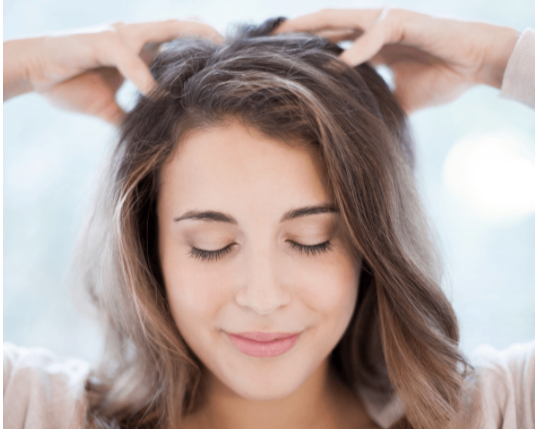
• Massage your scalp daily to stimulate blood flow and encourage growth.
• Consider adding a hair serum with ingredients like niacinamide or peptides for extra scalp nourishment.
When to Seek Professional Help
If your hair thinning is severe or accompanied by other symptoms (like fatigue or weight changes), it’s time to consult a healthcare professional or dermatologist. They can guide you toward personalized treatments and rule out underlying conditions.
You’re Not Alone
Hair thinning can feel frustrating, but it doesn’t define you—and it doesn’t have to be permanent. With the right nutrition, supplements, and care, you can make a big difference in the health of your hair.
Here’s to stronger, healthier hair (and feeling fabulous at any age!). 💕
References
American Academy of Dermatology Association
Website: www.aad.org
Resource: Comprehensive guides on hair loss and treatment options.National Institutes of Health (NIH)
Article: “Hair Loss: MedlinePlus Medical Encyclopedia”
Link: www.medlineplus.govHormone Health Network
Website: www.hormone.org
Resource: Detailed information about hormonal changes and their impact on hair.International Society of Hair Restoration Surgery (ISHRS)
Website: www.ishrs.org
Resource: Education on hair thinning and restoration methods.PubMed Articles on Hair Loss
Example: “The Role of Hormones in Female Pattern Hair Loss”
Link: pubmed.ncbi.nlm.nih.gov“The Complete Book of Hair Loss Answers” by Spencer Kobren
A great resource for understanding hair thinning and solutions available.Harvard Health Publishing
Article: “Female Hair Loss: Causes and Treatment Options”
Link: www.health.harvard.eduCleveland Clinic
Website: www.clevelandclinic.org
Resource: Hormonal hair loss and treatment recommendations.
MELINDA FOWLER
RPh, ABAAHP, FAAMM, CHC
Pharmacist, certified health coach and
passionate advocate for women’s health