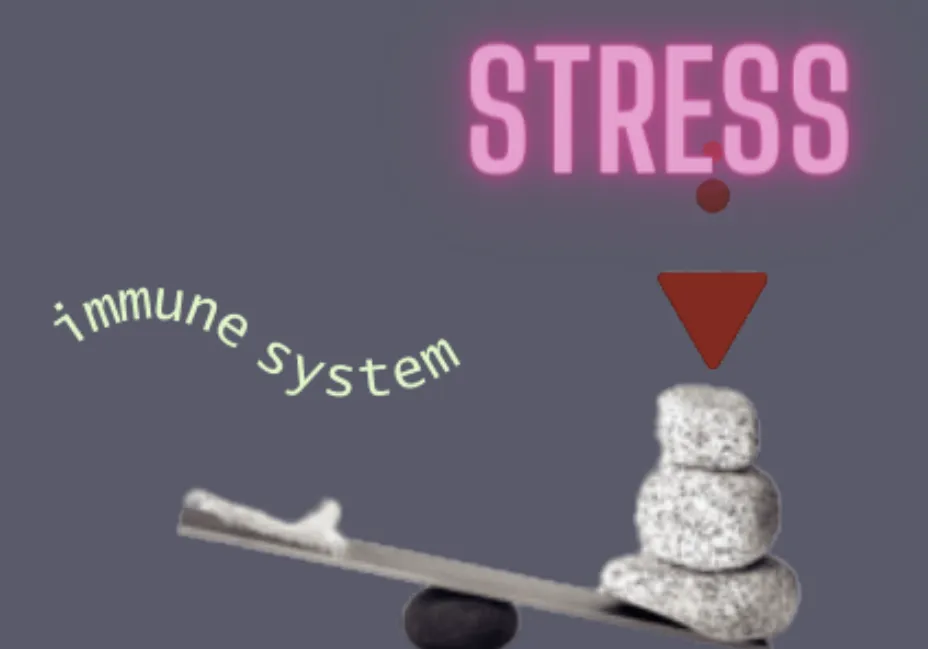
The Stress- Immune System Seesaw: A Personal Experience
My recent experience with stress & illness:
In the whirlwind of life, stress can often feel like an ever-present companion, impacting not only our mental well-being but also our physical health. This has been vividly illustrated in my own life over the past few months. Amidst significant challenges, my husband and I both found ourselves unemployed, dealt with some serious emotions surrounding this, and the toll on my health became undeniable.
My personal experience: four bouts of illness in 4 months time, including shingles, the flu, a severe cold, and pneumonia, unfolded as a stark testament to the profound effects of stress on the immune system.
Picture the body's stress response and immune system as opponents on a seesaw. When stress is so heavy, the immune system takes a backseat, leaving us vulnerable to opportunistic pathogens. The delicate balance between stress and immune function becomes a precarious dance, impacting our ability to fend off infections and cope with life's challenges.
It's an intricate dance:
The intricate dance between stress and the immune system unveils a physiological symphony that orchestrates the body's response to challenges. At the heart of this intricate connection lies cortisol, the body's quintessential fight-or-flight hormone. Let's consider the profound impact of stress on our physiology, exploring how the release of cortisol shapes our body's coping mechanisms and influences the delicate balance of the immune system.
Cortisol Unveiled:
Stress, whether stemming from external pressures or internal struggles, activates the release of cortisol from the adrenal glands. This hormone, designed to mobilize the body's resources for immediate action, plays a pivotal role in our response to perceived threats. It is the hormone responsible for getting our body ready to run from a bear.
Fight or Flight Redirection:
In the face of stress, the body undergoes a remarkable transformation. Cortisol signals a redirection of resources, prioritizing functions that aid in immediate survival. While this response is adaptive in short bursts, chronic exposure to stress can lead to elevation of cortisol levels over a prolonged period of time.
Impact on Immune Function:
The intricate web between stress and the immune system becomes evident as cortisol, in its bid to address immediate threats, inadvertently compromises the immune response. Prolonged exposure to elevated cortisol levels can suppress the effectiveness of immune cells, making the body more susceptible to infections.
Vulnerability to Infections:
The compromised immune function sets the stage for opportunistic pathogens like viruses and bacteria to gain a foothold. This heightened vulnerability can manifest in increased susceptibility to infections, creating a scenario where the body's defense mechanisms are hindered by the very stress it is trying to combat.

Navigating the complexities of stress and its repercussions on the immune system demands a proactive approach. From the transformative power of exercise to the profound effects of mindful practices, let's devise a holistic toolkit for fostering resilience in the face of life's challenges.
Harnessing the Power of Exercise:
Regular physical activity emerges as a cornerstone in stress management and immune system support. Engaging in exercises such as brisk walks, jogging, or yoga not only helps alleviate stress by promoting the release of endorphins but also contributes to overall well-being.
Fueling the Body with Whole Foods:
The profound impact of nutrition on inflammation reduction cannot be overstated. A diet rich in whole foods, abundant in fruits, vegetables, and lean proteins, serves as a potent ally in supporting the immune system. By minimizing processed foods and embracing a nutrient-dense approach, individuals can cultivate an internal environment conducive to resilience.
Mindfulness Practices for Calm:
Incorporating mindfulness practices like yoga and meditation becomes paramount in the pursuit of stress reduction. These techniques not only provide a reprieve from the demands of daily life but also foster a sense of calm and centeredness. Mindful living enables individuals to navigate stressors with greater ease, preventing the cascade of cortisol-induced immune compromise.
Supplemental Support with Adaptogens, Calming Herbs, and CBD:
Exploring supplemental support becomes a proactive step in fortifying stress resilience. Adaptogens, such as ashwagandha and rhodiola, offer the body adaptability to stressors, while calming herbs like chamomile and valerian root provide natural relaxation. Additionally, CBD, renowned for its anxiolytic properties, emerges as a promising option for those seeking a holistic approach to stress management.
The Vicious Cycle:
Stress and illness perpetuate a vicious cycle. Understanding this interplay empowers us to take proactive steps to break free from its grip. As we navigate life's challenges, it's crucial to recognize that prioritizing self-care isn't a luxury but a necessity.
Conclusion:
In the face of adversity, taking charge of our stress response becomes a radical act of self-care. By embracing strategies that support both our mental and physical well-being, we can disrupt the cycle of stress-induced illnesses. Remember, as we navigate this seesaw of life, finding balance is not only a journey to better health but also a path to resilience and self-discovery.