The Hormone Pellet Hype
Why I’m Not Jumping on This Train

Hormone pellets are having a moment.
They’re trending, popular, and often marketed as a “set it and forget it” solution for hormone replacement therapy (HRT).
But just because something is trending doesn’t mean it’s the right choice.
Spoiler alert: For me, hormone pellets were an absolute nightmare.
Let me tell you why I won’t be hopping on this bandwagon anytime soon.
What Are Hormone Pellets?
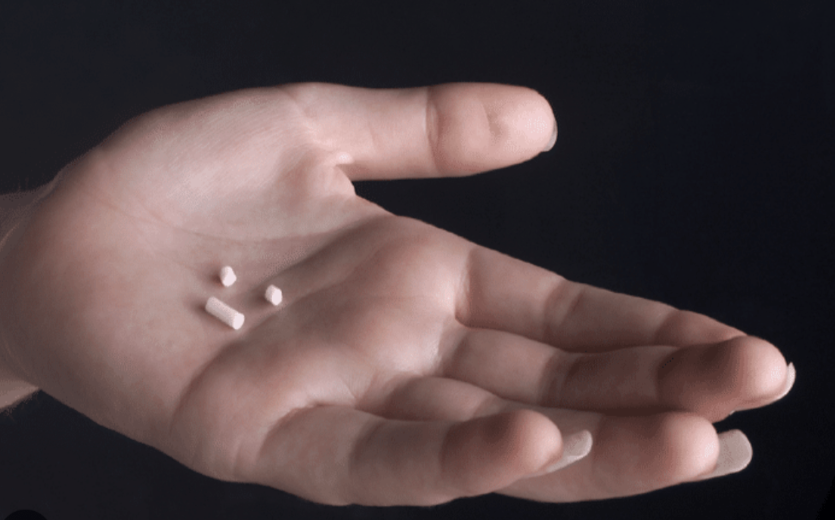
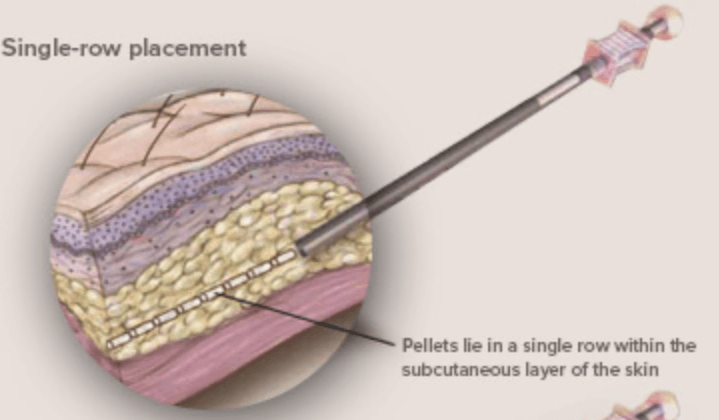
Hormone pellets are small, compounded cylinders (about the size of a grain of rice) that contain custom doses of hormones like testosterone or estradiol. They’re implanted into the subcutaneous fat of your hip or buttocks using lidocaine, a scalpel, and a trocar (a fancy medical tool for insertion). The hormones are then absorbed into your bloodstream over time, designed to deliver supraphysiological levels initially, which taper to moderate levels.
Sounds convenient, right? No daily pills, creams, or patches.
Just one procedure, and you’re good to go for 3–4 months.
At least, that’s the promise.
My Personal Hormone Pellet Horror Story

Let me paint a picture of my experience:
That’s me, in the middle… first time snow skiing, 35 pounds heavier than I was just 8 weeks prior.
It was a trainwreck.
And here’s the kicker:
They tell you these pellets last 3–4 months, but my hormones were still out of whack six months later.
My testosterone levels were still over 200—way beyond what’s healthy or necessary for women.
What I Experienced
Rapid Weight Gain: I gained 35 pounds in five weeks. My body didn’t even recognize itself.
Elevated Resting Heart Rate: My resting heart rate skyrocketed to 116–120 beats per minute. Hello, constant panic attacks!
Facial Hair & Acne: Thick, manly facial hair sprouted on my upper lip, and hormonal acne exploded around my mouth and chin.
Lowered Voice: My voice deepened, which was not part of my vibe.
Phantosmia: (a condition that causes a person to smell something that isn’t there, also known as an olfactory hallucination) I smelled phantom perfume 24/7, and trust me, it wasn’t the good kind of hallucination.
Extreme irritability: testosterone rage is very, very real.
Once those pellets are in, they’re in. You can’t tweak the dose or turn them off.
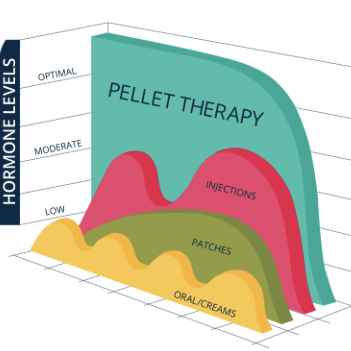
With hormones, a little goes a long way. It’s not always the best option to get those levels up so high, in my opinion.
The Risks of Hormone Pellets
Hormone pellets aren’t just a “one-and-done” solution.
Here’s what you might not hear in the hype:
Supraphysiological Hormone Levels: The initial hormone surge can leave you feeling like you’re on an emotional rollercoaster.
Site Infections & Extrusions: The implantation site can develop infections, and the pellets can even push their way out of the skin.
Scar Tissue: Multiple insertions over time can lead to scar tissue buildup at the injection sites.
Long-Lasting Side Effects: Once inserted, you’re stuck. If something goes wrong (like my experience), there’s no quick fix.
Better Alternatives to Hormone Pellets
If you’re starting HRT, there are safer, more flexible options to consider:
Creams or Gels: Easy to adjust doses day-to-day.
Patches: Offer a steady hormone release and are simple to remove if needed.
Sublingual Troches: Dissolve under your tongue and allow precise dose control.
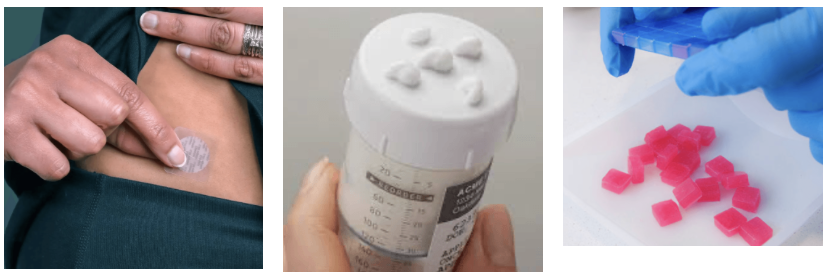
Starting low and going slow is the key.
It’s better to ease your way into HRT and adjust as needed.
Once you’ve reached a maintenance level and understand how your body responds, then—and only then—would I recommend that you might consider a very low-dose pellet.
But even then, proceed with caution.
Why I Advocate for Adjustability
Hormone replacement is not a one-size-fits-all solution, and your body’s needs can shift over time. That’s why I prefer dosage forms that allow for easy adjustments.
With creams, patches, or sublingual doses, you can go up, down, or even stop if something isn’t working.
If you are not completely satisfied with your dosage form, talk to your compounding pharmacist. They are experts at drug delivery formulations and can offer you many options that your prescriber might not be aware of.
Pellets? You’re stuck waiting for your body to metabolize the hormones, which can take months.
The Bottom Line
Hormone pellets might sound convenient, but for many women (myself included), the risks outweigh the benefits.
If you’re considering HRT, start with forms that give you control over your doses and minimize potential side effects.
Trust me, your body will thank you.
Have you tried hormone pellets, or are you considering them?
Let’s chat about your experience or concerns in the comments below!
